
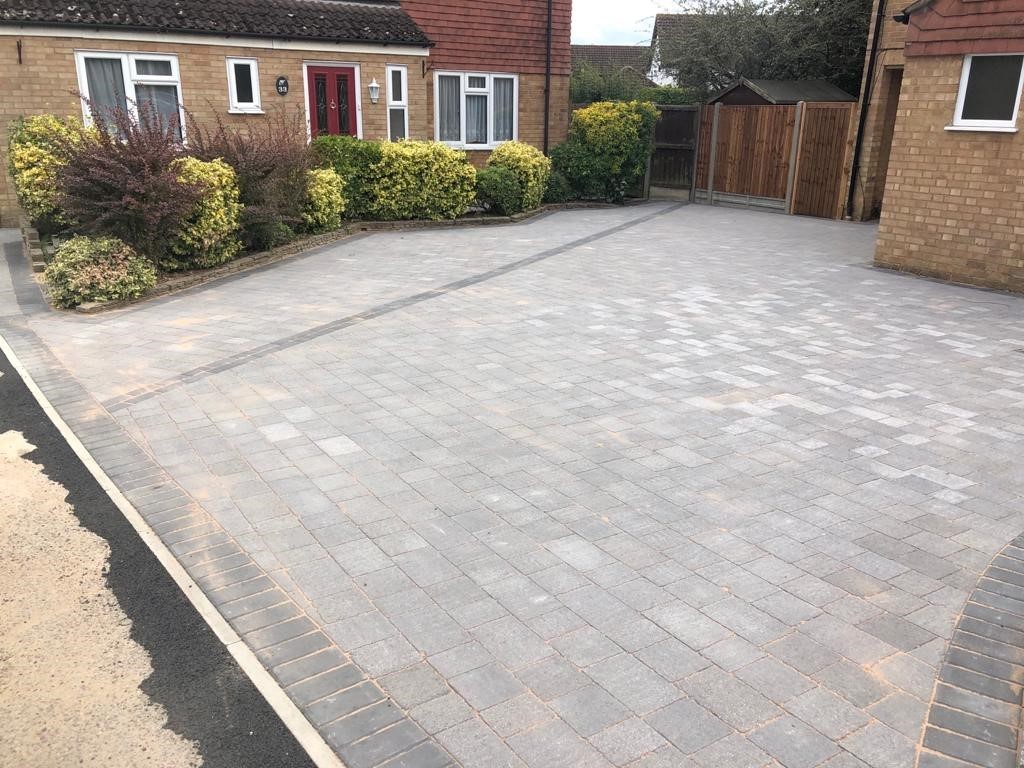

Running short on parking space? You’re not alone. Many Southampton homeowners find their original driveway just doesn’t cut it when family cars multiply or visitors need somewhere to park.
Extending your driveway sounds straightforward, but there are some important boxes to tick before you start digging up the front garden.
Before You Start: Planning Permission and Permissions
First things first, check if you need planning permission. Extensions over 5 square metres using non-permeable materials typically require permission from your local council. Reputable contractors will advise on regulations during initial consultations.
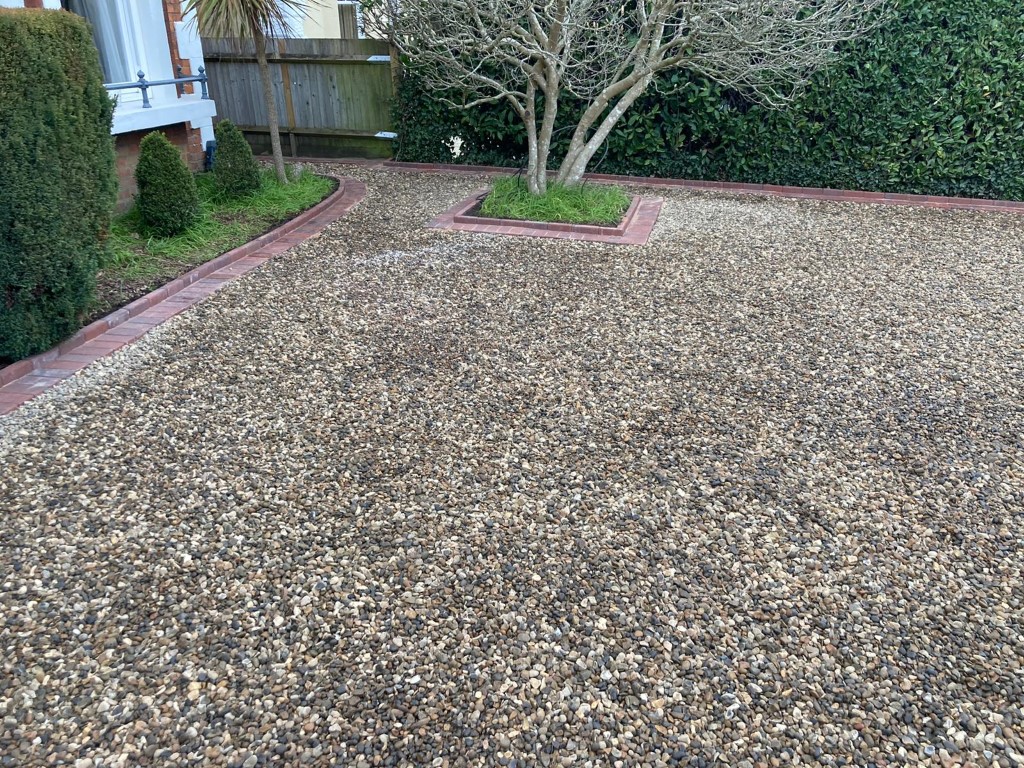
Permeable materials like gravel, permeable block paving, or grass pavers often don’t need permission. However, rules can be tricky, so it’s worth checking with the planning department.
Don’t forget to call before you dig. Underground utilities like gas, electric, and water pipes could be lurking exactly where you want to extend.
Matching Your Existing Surface
Getting a perfect match with your current driveway material can be surprisingly challenging. Block paving that’s been down for years will have weathered and faded.
Consider whether you want to:
- Try to match the existing colour and accept slight differences
- Create a deliberate contrast with complementary materials
- Replace the entire driveway for complete consistency
Sometimes a border or edging detail can help blend old and new sections together beautifully.
Drainage and Ground Levels
Your extension needs proper drainage to prevent water pooling or running towards your house. The ground might not naturally slope the right way.
Professional contractors will check existing drainage patterns and adjust levels accordingly. This might mean adding drainage channels or adjusting the gradient.
Questions to Ask Your Contractor
When getting quotes for your driveway extension, make sure you ask these key questions:
- Will you handle the planning permission application if needed?
- How will you match or complement the existing surface?
- What’s included in ground preparation and excavation?
- How will you manage drainage and water runoff?
- Do you need to connect to existing drainage systems?
- What’s the timeline from start to finish?
- Will you reinstate any disturbed garden areas?
A good contractor will survey your property thoroughly and explain exactly how they’ll tackle the drainage, levels, and material matching before giving you a final quote. They should also advise on maintenance requirements, such as re-sanding block paving over time.